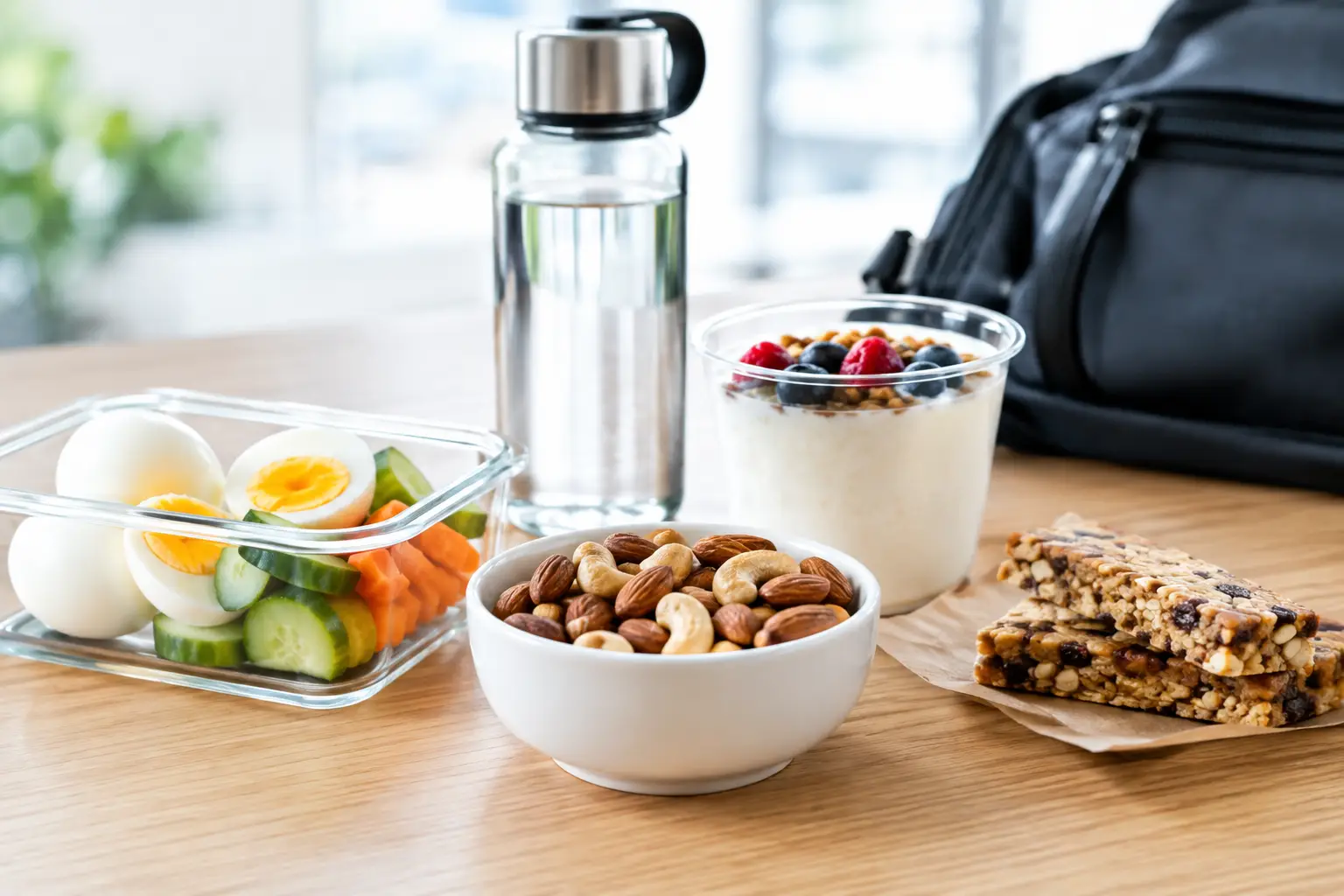
A break room vending machine, a half-finished coffee, and five minutes between tasks is not exactly a calm meal-planning moment. That is where protein snacks can help. They are not a replacement for regular meals, and they do not need to be expensive, perfectly portioned, or packed with wellness buzzwords. They are simply a practical way to make a busy day feel less like a hunger emergency.
For nurses, parents, commuters, and anyone whose schedule changes by the hour, the goal is steadier energy and fewer moments of feeling ravenous, shaky, or ready to eat whatever is closest. No perfection needed. A snack with enough protein, plus a little fiber or carbohydrate when it fits, can carry you through a long stretch without turning food into another task to manage.
What Makes a Protein Snack Actually Filling?
A label can say “high protein” and still leave you hungry 30 minutes later. Protein matters because it tends to be more satisfying than a snack made mostly of refined starch or added sugar, but the full picture is a little more useful than chasing the biggest number on the package.
For most busy adults, a snack with roughly 10 to 20 grams of protein is a solid, realistic target. The right amount depends on the rest of your day. If lunch was light and dinner is hours away, you may want something closer to 15 to 20 grams and a more substantial pairing. If you ate a balanced meal recently and just need a bridge before your next task, a smaller option may be plenty.
Protein works especially well alongside fiber, healthy fats, or a source of carbohydrates. Think Greek yogurt with berries, a cheese stick with an apple, or roasted edamame with a piece of fruit. The protein supports fullness, while the rest gives your body usable energy and makes the snack feel more like food than a flavored supplement.
A snack that contains protein but also a long list of syrups, candy-like coatings, or a large amount of added sugar is not automatically off limits. It may still be convenient and enjoyable. But if it leaves you hungrier, thirstier, or flat an hour later, it may not be the dependable option you need for a 12-hour shift.
Protein Snacks for Real-Life Schedules
The best choice depends less on what is trending and more on where you will be when hunger shows up. A refrigerated snack can be great at home or at work with a reliable fridge. Shelf-stable options matter when you are in the car, on a unit, at an airport, or stuck in meetings.
When You Have Access to a Fridge
Greek yogurt or cottage cheese cups are simple staples, especially when paired with fruit, nuts, or a high-fiber cereal. Hard-boiled eggs, cheese sticks, turkey roll-ups, and hummus with vegetables also work well. These are satisfying choices when you can sit for even a few minutes and want something that feels closer to a mini meal.
If you are prepping ahead, keep it uncomplicated. Portion a few grab-and-go combinations for the next two or three days, not the next two weeks. A container of yogurt, berries, and seeds is useful. So is a small box with cheese, crackers, and grapes. The routine has to survive your actual schedule, not your most organized Sunday.
When You Need Something Shelf-Stable
Shelf-stable protein snacks earn their spot because they prevent the familiar moment of realizing you have had only coffee and a granola bar since sunrise. Roasted chickpeas, roasted edamame, tuna or salmon packets, jerky with a short ingredient list, nut-and-seed packs, and protein bars can all be useful to keep in a work bag or car.
A bar is often the most convenient choice, but it is worth reading beyond the protein callout on the front. Look at the protein amount, added sugar, fiber, and how the bar makes you feel afterward. Some people do well with a dense, high-fiber bar. Others find certain sweeteners leave them feeling bloated or uncomfortable. It depends, and there is no prize for forcing down a snack you do not enjoy.
When You Need Energy Before or After Movement
Protein alone is not always the best fit around a workout, a long walk, or a physically demanding shift. If you need quick energy, add carbohydrates. A banana with a protein shake, crackers with tuna, or yogurt with fruit can be more useful than protein by itself.
After a workout or a physically exhausting day, protein can support your overall recovery routine, but hydration matters too. If you have been sweating, working in a warm environment, or relying on coffee to get through a long shift, water and electrolytes can be part of the picture. Pairing a snack with a low-sugar hydration mix can be a practical reset, especially when plain water has not been enough to keep you drinking consistently.
A Simple Label Check for Protein Snacks
You do not need to inspect every package like it is a final exam. A quick scan is enough. Start with protein, then look at the rest of the label in context.
Ask four simple questions:
- Does it have enough protein to keep me satisfied for the time I need?
- Is added sugar taking over the snack, or is it reasonably balanced?
- Does it include fiber, fruit, nuts, or another ingredient that adds staying power?
- Will this be easy to eat, store, and tolerate during my real day?
That last question is often the most overlooked. A snack may look impressive on paper but fail in practice if it melts in your bag, needs a utensil you never have, or feels too heavy at 3 a.m. during a night shift. Convenience is not a lesser choice. It is part of what makes a habit repeatable.
Also watch the sodium level based on your broader eating pattern. Higher-sodium snacks such as jerky can be useful, particularly alongside fluids, but they may not be what you want for every snack, every day. Variety gives you more flexibility than relying on one “healthy” product until you cannot stand it anymore.
Build a Snack Backup Plan, Not a Perfect Plan
The most helpful protein snack strategy is usually a backup system. Keep two shelf-stable options in your work bag, one in your car if temperatures allow, and a few easy refrigerated choices at home. Then choose based on the day you are having.
For example, a protein bar may be your emergency option. Greek yogurt and fruit may be your at-home choice. Edamame or a cheese-and-cracker pack may be what you reach for at work. Having options reduces the pressure to make a perfect decision when you are already tired and hungry.
It also helps to notice what your snack is replacing. If you regularly skip lunch, no snack will fully solve the problem. A more substantial portable meal may serve you better. If you are only hungry because you have been underhydrated and caffeinated all afternoon, a snack plus fluids may be the more useful move. This is not about restriction or earning food. It is about recognizing what actually helps.
Don’t Forget the Bigger Energy Picture
Protein snacks are one tool, not a personality trait. Steady energy also depends on regular meals when possible, enough fluids, sleep opportunities, and how much caffeine is carrying the day. When life is full, those basics can feel almost annoyingly simple, but they still matter.
If you tend to reach for snacks during the afternoon crash, try pairing your choice with hydration before automatically adding another coffee. Why The Health’s SHIFT hydration is designed as a low-sugar option for supporting everyday hydration and steady focus, making it an easy companion to a snack when your day has been long and your water bottle has been ignored.
The most sustainable snack is the one you will keep around, genuinely like, and eat before you are completely depleted. Start there. A little planning can make the next long shift feel more supported, without turning your break into a nutrition project.
Leave a Reply