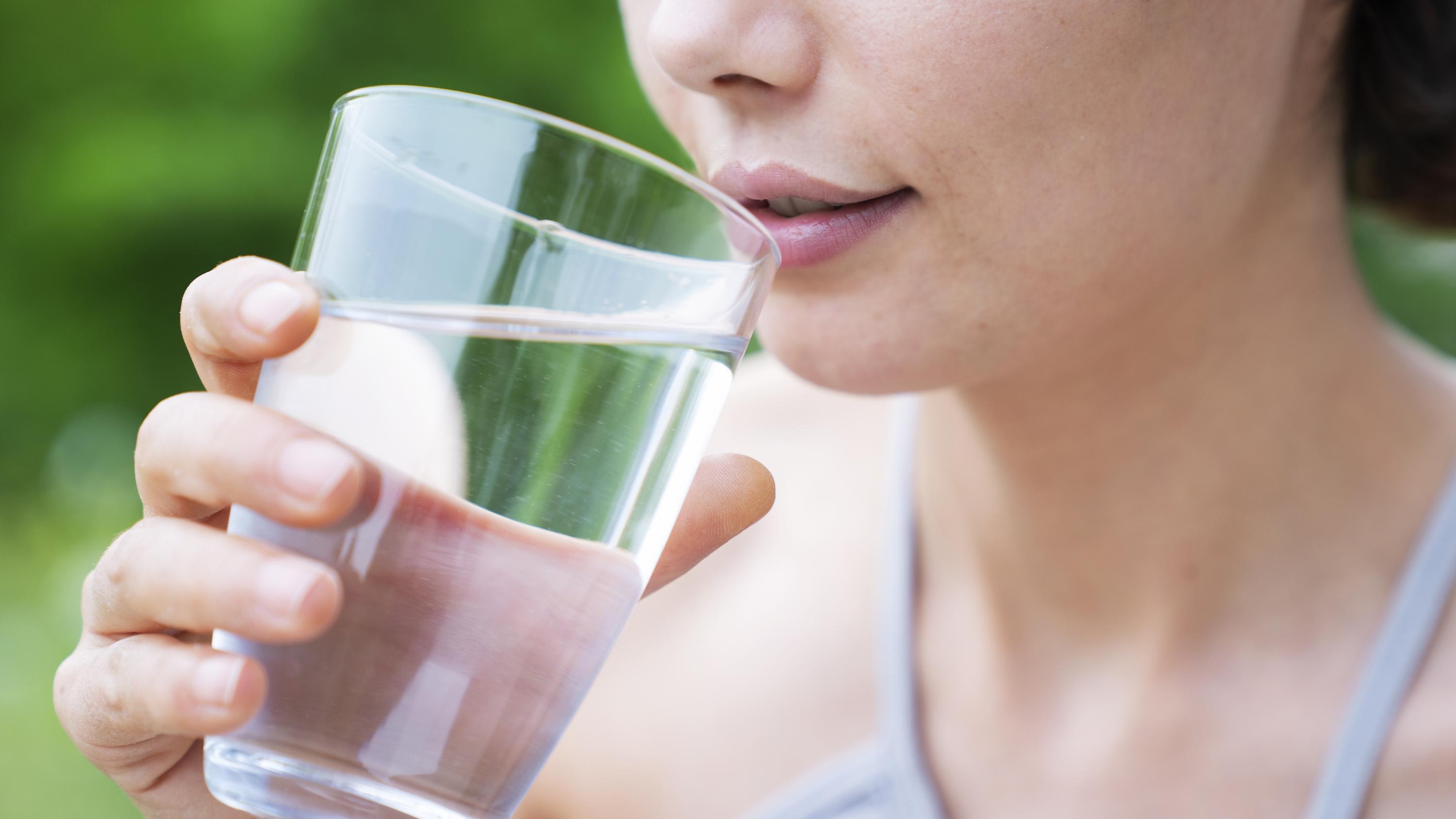
Feeling wiped out before you even remember to drink water? That tired-before-thirsty feeling is a classic early dehydration sign most people miss. Mild dehydration fatigue sneaks up quietly, especially during long shifts or busy days, draining your energy before thirst kicks in. Let’s break down why your body acts this way and share simple hydration tips—including how adding electrolytes can help you stay sharp without overloading on caffeine. For more on dehydration signs, check out this article.
Why Fatigue Hits First
When you feel drained, it might not be just the workload. Often, mild dehydration fatigue appears before you actually feel thirsty. Understanding this can help you stay more alert and ready for your day.
Early Dehydration Signs
Your body gives off signals when it needs more fluids. One of the first signs is feeling tired. This happens because even slight dehydration decreases your blood volume, which makes your heart work harder. If you find yourself yawning more than usual, it may be time to check your water intake. Another indicator is headaches. When your body lacks fluids, it can trigger pain signals as a warning sign. Keep an eye on these signals, especially during busy days.
Tired Before Thirsty Explained
Surprisingly, feeling tired can happen well before you feel the need to drink. Thirst is a late-stage indicator, meaning by the time you’re thirsty, you’re already on your way to dehydration. That fatigue is your body’s early request for more fluids. It’s like your body’s low-battery warning. Listening to these cues can help you avoid that sluggish feeling that creeps in during the day. For more on recognizing dehydration, read this article.
Spotting Mild Dehydration

Knowing the signs of mild dehydration can keep you proactive about your health. Recognizing these early cues helps you stay on top of your hydration game.
Urine Color Hydration Guide
One simple way to check your hydration is by looking at your urine color. Light or pale yellow indicates you’re well-hydrated, while dark yellow or amber suggests you need more fluids. This method is a quick visual check you can do daily. Remember, foods and supplements can affect urine color, so consider these factors. If you notice your urine is consistently dark, it’s time to increase your water intake. For a detailed urine color guide, see this article.
Energy Slumps at Work
It’s common to hit an energy slump during work hours. This can often be linked to dehydration. Without enough fluids, your body struggles to maintain energy levels. This feeling can mimic the afternoon crash many experience. Instead of reaching for caffeine, try drinking a glass of water first. Water can revitalize your body and keep you from dragging through the day. If you’re consistently feeling slumps, it might be time to reassess your hydration habits. Here’s more on preventing dehydration in your daily routine: stay hydrated at work.
Simple Hydration Fixes

Staying hydrated isn’t just about drinking more water. It’s also about timing and adding essential nutrients back into your system.
Electrolytes for Hydration
Electrolytes are minerals that help balance your body’s water levels. They include sodium, potassium, and magnesium, which you can lose through sweat. Adding a low sugar electrolyte drink to your routine can be a game-changer. It replenishes what you lose and supports overall hydration better than water alone. This is particularly helpful if you’re on the move or have a busy day. Consider beverages like SHIFT, designed to keep you energized and hydrated without sugar crashes.
Hydration Timing Long Shifts
Timing your water intake during long shifts can keep you alert and focused. Start your day with a full glass of water to kickstart your hydration. Sip throughout your shift rather than gulping large amounts at once. This steady intake helps maintain energy and keeps dehydration at bay. If you’re in a demanding job, like healthcare, incorporating regular hydration breaks can make a big difference. Remember, staying hydrated is a continuous process, not a one-time fix. For more on hydration tips, explore hydration and energy strategies.
Frequently Asked Questions
How much water do I need daily?
A general guideline is to drink 8-10 glasses of water a day. However, individual needs vary based on factors like activity level and climate. Pay attention to your body’s signals to gauge your needs.
What are the early signs of dehydration?
Early signs include fatigue, headaches, and dark-colored urine. Address these signs promptly to avoid more severe dehydration symptoms.
Why do I feel tired before feeling thirsty?
Feeling tired is often an early indicator of dehydration. Thirst typically follows, meaning you’re already experiencing dehydration. Listen to your body’s cues to stay well-hydrated.
How can I prevent dehydration during long shifts?
Plan your water intake by starting with a full glass in the morning. Sip consistently throughout your shift and include electrolytes in your drinks to replenish lost minerals.
What role do electrolytes play in hydration?
Electrolytes balance your body’s water levels and support hydration. They are crucial for maintaining energy and preventing dehydration, especially during active or long hours.
Leave a Reply