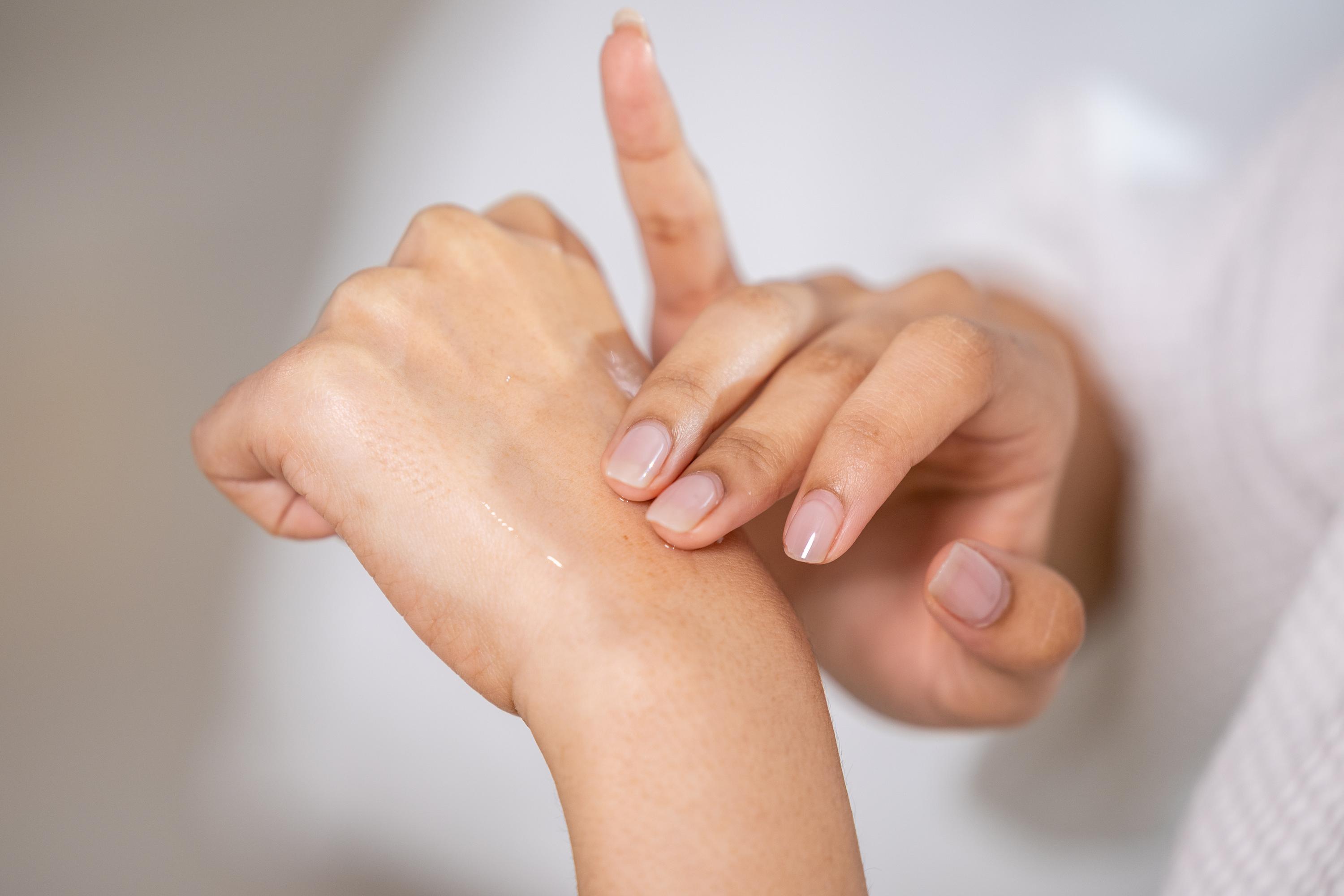
Most people treating eczema focus only on creams and triggers. Yet, the gut-skin connection plays a huge role in how your skin feels and heals. Understanding how your gut health, microbiome, and inflammation affect eczema-prone skin can help you take simple, science-backed steps that fit your busy life. Let’s explore what really matters and what you can do right now. For more information, you might find this link insightful.
Understanding the Gut-Skin Connection
Your gut and skin talk more than you think. This connection can explain why some treatments fail. Let’s explore how gut health impacts your skin.
Microbiome and Skin Health
The microbiome is a community of tiny organisms living in your gut. This affects your skin in many ways. When your gut is balanced, it helps keep your skin clear. But when it’s out of whack, skin problems like eczema can flare.
-
Your gut microbiome helps regulate your immune system. If your microbiome is healthy, your skin is more likely to be healthy too.
-
Studies show that a diverse microbiome supports better skin health. A diet rich in fiber can boost this diversity.
-
Maintaining a balanced microbiome can reduce inflammation, which often leads to skin irritation or eczema.
Inflammation and Eczema
Inflammation can worsen eczema symptoms. But where does it come from? Often, it starts in the gut.
-
When your gut is inflamed, it can lead to inflammation throughout your body, including your skin.
-
A poor diet or stress can trigger gut inflammation. This is why some people notice their eczema gets worse during hectic times.
-
Reducing gut inflammation may help your eczema calm down. Opt for anti-inflammatory foods like leafy greens and berries.
Intestinal Permeability Explained
You might have heard of “leaky gut.” This term describes when your gut lining becomes more permeable than normal.
-
When the gut is leaky, it allows substances to escape into the bloodstream, potentially triggering an immune response and exacerbating eczema.
-
Factors like stress, diet, and antibiotics can increase intestinal permeability.
-
Addressing leaky gut involves improving gut health, which may alleviate eczema symptoms.
Practical Steps for Eczema-Prone Skin

Knowing how the gut affects the skin is one thing. Taking action is another. Here’s how you can support your skin through your gut.
Nutrition and Fermented Foods
Eating right can make a big difference in how your skin reacts to eczema.
-
Fermented foods like yogurt, sauerkraut, and kimchi can boost your gut health. They contain probiotics that help balance the gut microbiome.
-
A diet rich in whole foods, especially fruits and vegetables, supports overall gut health. Aim to include a variety of colors on your plate.
-
Watch out for processed foods and high sugar intake, as they can disrupt your gut balance and worsen eczema.
Prebiotics and Probiotics Guide
Probiotics and prebiotics are your friends when it comes to gut health.
-
Probiotics are live bacteria that can restore gut balance. You can find them in supplements or fermented foods.
-
Prebiotics are fibers that feed good bacteria in the gut. Foods like bananas, oats, and onions are great sources.
-
Consistent intake of both prebiotics and probiotics can strengthen your gut and, in turn, your skin.
Omega-3 for Skin Benefits
Omega-3 fatty acids are known for their anti-inflammatory properties.
-
Foods rich in omega-3, such as salmon and flaxseeds, can help reduce inflammation in the gut and skin.
-
Adding omega-3s to your diet can provide soothing relief for eczema symptoms. Consider fish oil supplements if dietary sources aren’t enough.
-
Regular consumption of omega-3s supports not only skin health but also overall wellness.
Lifestyle Tips for Better Skin

Beyond diet, lifestyle factors play a role in managing eczema.
Hydration and Skin Health
Staying hydrated is crucial for maintaining healthy skin.
-
Water helps flush out toxins and supports skin hydration from within. Aim for at least eight glasses a day.
-
Hydration is especially important if you’re active or live in a dry climate. Water-rich foods like cucumbers and watermelon can help.
-
Using moisturizers can lock in hydration but drinking water ensures your skin is nourished from the inside out.
Sleep, Stress, and Eczema Management
Sleep and stress levels directly impact your skin health.
-
Lack of sleep can lead to increased inflammation and worsen eczema. Aim for 7-9 hours per night.
-
Stress management techniques like deep breathing or yoga can reduce stress-related flare-ups.
-
Building a bedtime routine that calms your mind can promote better sleep and, consequently, healthier skin.
Gentle Skincare and Barrier Repair 💧
Gentle skincare is key to managing eczema-prone skin.
-
Opt for fragrance-free, hypoallergenic skincare products. This minimizes irritation and helps maintain a healthy skin barrier.
-
Moisturizing regularly can prevent dryness and repair the skin barrier. Look for products with ceramides or hyaluronic acid.
-
Avoid hot showers which can strip your skin of its natural oils. Lukewarm water is gentler and more skin-friendly.
Frequently Asked Questions
What is the gut-skin connection?
The gut-skin connection refers to how the health of your gut can influence skin conditions like eczema. A balanced gut microbiome supports immune function and reduces inflammation, which can lead to clearer skin.
How do probiotics help with eczema?
Probiotics can help restore balance to your gut microbiome. By promoting good bacteria growth, they may reduce inflammation and improve skin health, which can lessen the severity of eczema symptoms.
What foods trigger eczema flare-ups?
Common triggers include processed foods, high sugar, and dairy. However, triggers can vary, so it’s important to monitor your diet and notice any patterns related to eczema flare-ups.
Can stress cause eczema?
Yes, stress can worsen eczema by increasing inflammation and disrupting your immune response. Managing stress through relaxation techniques can help reduce flare-ups.
Is hydration important for eczema management?
Absolutely. Proper hydration helps maintain skin moisture and supports overall skin health. Drinking enough water and using moisturizers are both essential for managing eczema.
Leave a Reply