An upset stomach can turn your whole day upside down, especially when it keeps coming back. I’ve been there—juggling eczema flare-ups and digestive troubles until I found gentle, natural ways to soothe my gut. You can calm your upset gut with simple foods and habits that really work. Let’s explore easy, family-friendly steps and the surprising gut–skin connection that might just change how you feel from the inside out.
Foods for Gut Health

Finding the right foods can make a huge difference when dealing with gut discomfort. Some options are not only tasty but also beneficial.
Fermented Foods Benefits
Fermented foods can be a game-changer. They contain probiotics, which are friendly bacteria that support a healthy gut. Sauerkraut, kefir, and kimchi are perfect examples. Have you ever tried them? They might seem unusual at first, but they’re worth it. Consuming these foods regularly helps balance the bacteria in your gut, which can reduce bloating and improve digestion. The probiotics found in fermented foods may also aid in reducing symptoms of an upset stomach and even enhance nutrient absorption. Consider adding a small serving to your daily meals, and you might notice a positive shift in your gut health. If you’re curious about more food options, check out this guide.
Bone Broth for Digestion
Bone broth is more than just a comforting soup base. It’s rich in gelatin, which can soothe the lining of your gut. This can help in managing bloating and cramping. Many people find sipping on bone broth to be calming as it provides essential amino acids and nutrients. Regular intake might improve your gut health over time. Preparing bone broth at home is simple. Just simmer bones with vegetables and herbs for several hours. The result is a rich, nourishing liquid that supports your digestion naturally. For more natural remedies, explore this list.
Ginger Tea for Nausea
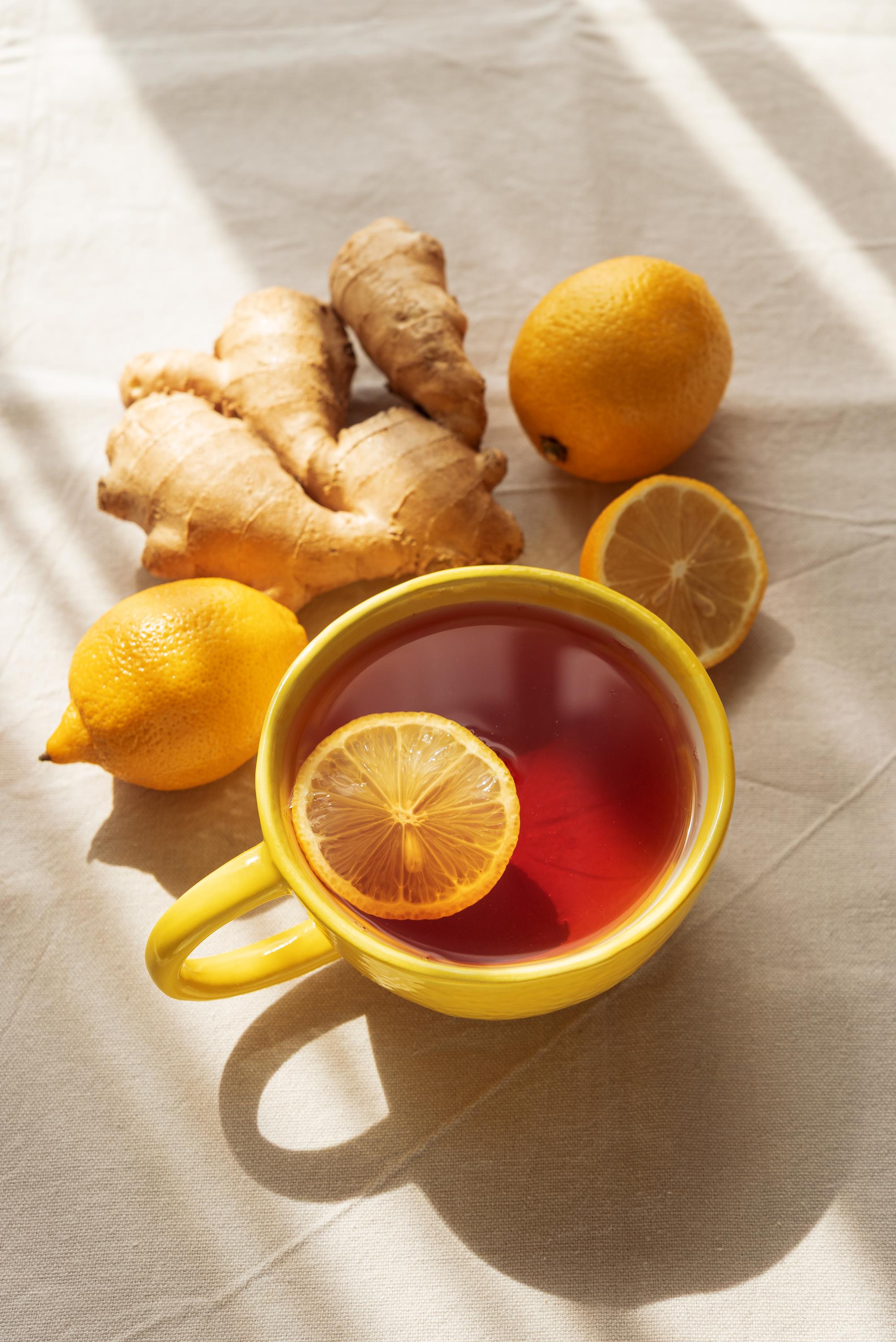
Ginger tea is a household favorite for settling the stomach. It’s known for its anti-nausea properties and can provide quick relief. Simply steep fresh ginger in hot water for a few minutes. Drink it slowly. The warmth soothes discomfort, while ginger itself helps in reducing nausea. Many people have found that integrating ginger tea into their daily routine helps keep nausea at bay. It’s a simple, natural, and effective way to manage digestive upset. If you’re looking for more tummy-friendly ideas, take a look at these suggestions.
Habits to Calm an Upset Gut

Beyond food, simple lifestyle changes can also ease gut discomfort. Let’s explore some habits you can incorporate.
Mindful Eating for Digestion
Mindful eating is about being present with your meal. It encourages slower eating and proper chewing, which aids digestion. Have you noticed how quickly you eat when you’re distracted? It’s common, but slowing down can make a big difference. Chewing thoroughly allows your body to absorb nutrients better and reduces the risk of indigestion. Plus, it gives your gut a chance to signal fullness, which can prevent overeating. Try focusing on your meal without distractions and see how it improves your digestion over time. If you’re curious about more supportive habits, check out this resource.
Stress and Digestion
Stress isn’t just mental. It affects your gut too. Stress can disrupt digestion, leading to bloating and discomfort. Finding ways to manage stress, such as through exercise, meditation, or hobbies, can significantly benefit your gut health. Setting aside time for relaxation can help your digestive system function more smoothly. Even a short walk or a few minutes of deep breathing can reduce stress and its impact on your gut. If you’re seeking more stress-relief tips, explore this page.
Low-FODMAP Basics
The low-FODMAP diet is designed to reduce gut symptoms. It involves limiting certain carbs that can cause bloating and discomfort. It’s especially useful for those with IBS. The diet focuses on foods that are easier on the digestive system. While it might seem restrictive at first, it’s often followed only for a short period to identify triggers. Working with a dietitian can help you navigate this approach safely and effectively. Adopting this diet might lead to noticeable improvements in how your gut feels daily. If you’re interested in learning more about the low-FODMAP diet, check out this detailed guide.
Gut-Skin Connection Insights

Did you know your gut health can impact your skin? Here’s how taking care of your gut can lead to healthier skin.
Probiotics for Skin Health
Probiotics don’t just benefit your gut. They can also improve your skin. These beneficial bacteria help balance your microbiome, which might reduce skin issues like eczema. Including probiotics in your diet or through supplements can support a healthy gut-skin connection. When your microbiome is balanced, your skin may become clearer, and inflammation might decrease. It’s fascinating how everything is interconnected. If you’re interested in exploring the benefits of probiotics further, this article provides more insights.
Anti-Inflammatory Diet for Gut
An anti-inflammatory diet can benefit both your gut and skin. By focusing on whole foods, you can reduce inflammation that often leads to digestive issues and skin flare-ups. Foods rich in omega-3s, like salmon and walnuts, are great options. Incorporating colorful fruits and vegetables also helps. These foods can support your body’s natural healing processes and may lead to noticeable improvements. Making these changes might feel challenging at first, but the benefits are worth it. If you’re seeking more dietary advice, explore this comprehensive guide.
Natural IBS Support
For those with IBS, managing symptoms can be challenging. However, natural strategies can help. From dietary adjustments to stress management, a holistic approach often provides relief. Incorporating fiber-rich foods, staying hydrated, and finding enjoyable physical activities can support your gut health. While IBS can be frustrating, understanding your triggers and adopting supportive habits can make a big difference. Remember, you’re not alone on this journey. If you’re looking for more support and guidance, this resource offers valuable insights.
🌱🧘♀️🥦
Embracing these foods and habits can lead to noticeable improvements in your gut health and overall well-being. Remember, small changes can have a big impact. Start today, and your gut (and skin) will thank you!
Leave a Reply